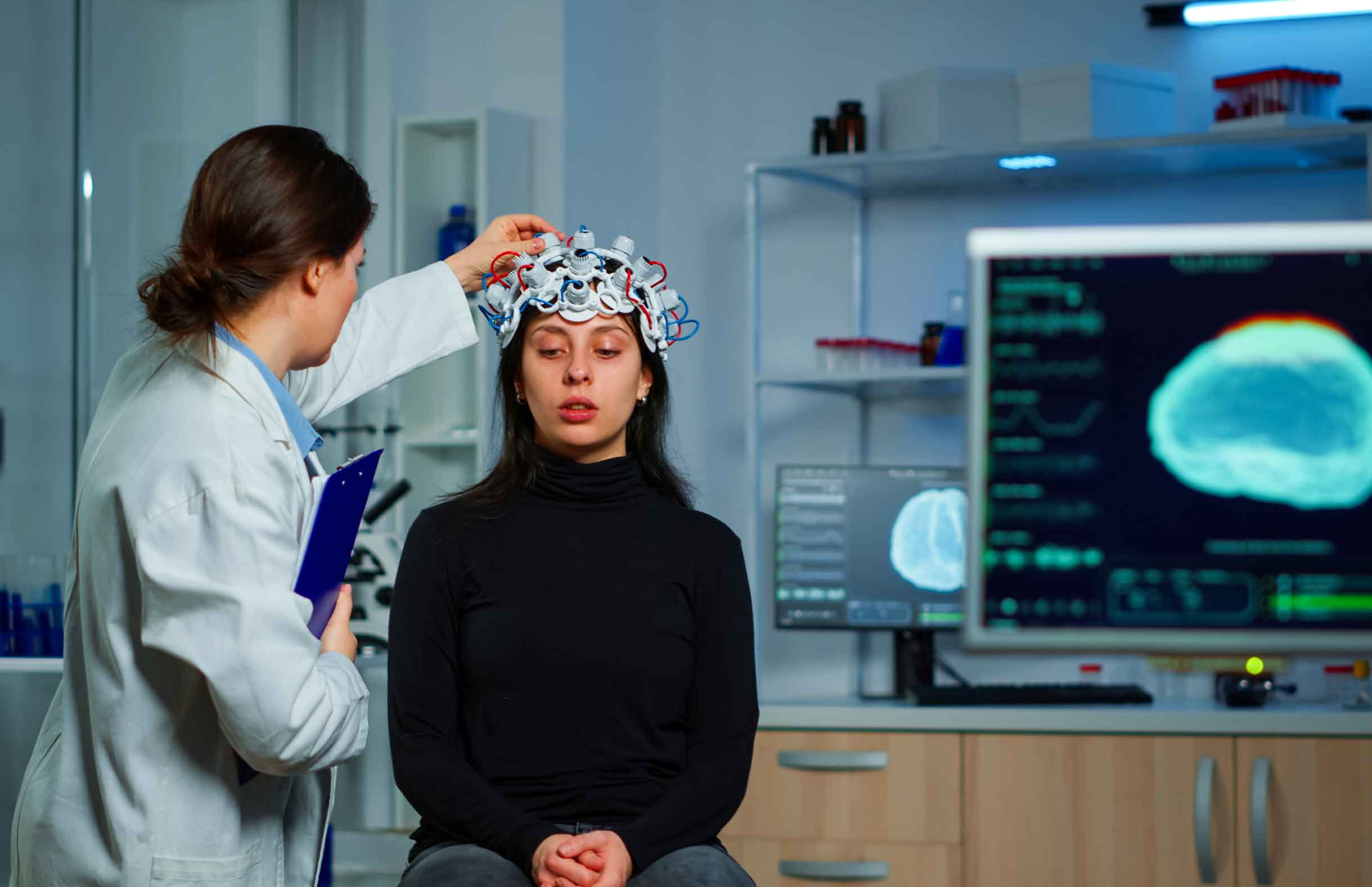
Neurocognitive disorders, such as Alzheimer's disease and dementia, can be challenging to treat. However, there are several innovative therapies that have been developed to help individuals with these conditions manage their symptoms and improve their quality of life. Some of these therapies include:
Music therapy involves the use of music to promote emotional, cognitive, and social well-being in individuals with neurocognitive disorders. It can help improve mood, reduce stress and anxiety, and enhance cognitive function.
Reality orientation therapy involves the use of sensory cues, such as calendars and clocks, to help individuals with neurocognitive disorders maintain a sense of time, place, and identity.
Reminiscence therapy involves recalling past experiences and events to improve mood, reduce anxiety, and enhance cognitive function in individuals with neurocognitive disorders.
Cognitive rehabilitation involves the use of techniques such as memory training, problem-solving, and attention exercises to improve cognitive function in individuals with neurocognitive disorders.
TMS is a non-invasive brain stimulation technique that has been used to improve cognitive function in individuals with neurocognitive disorders. It involves the use of a magnetic field to stimulate specific areas of the brain.


 10634 E Riverside Dr, #130 Bothell, WA 98011